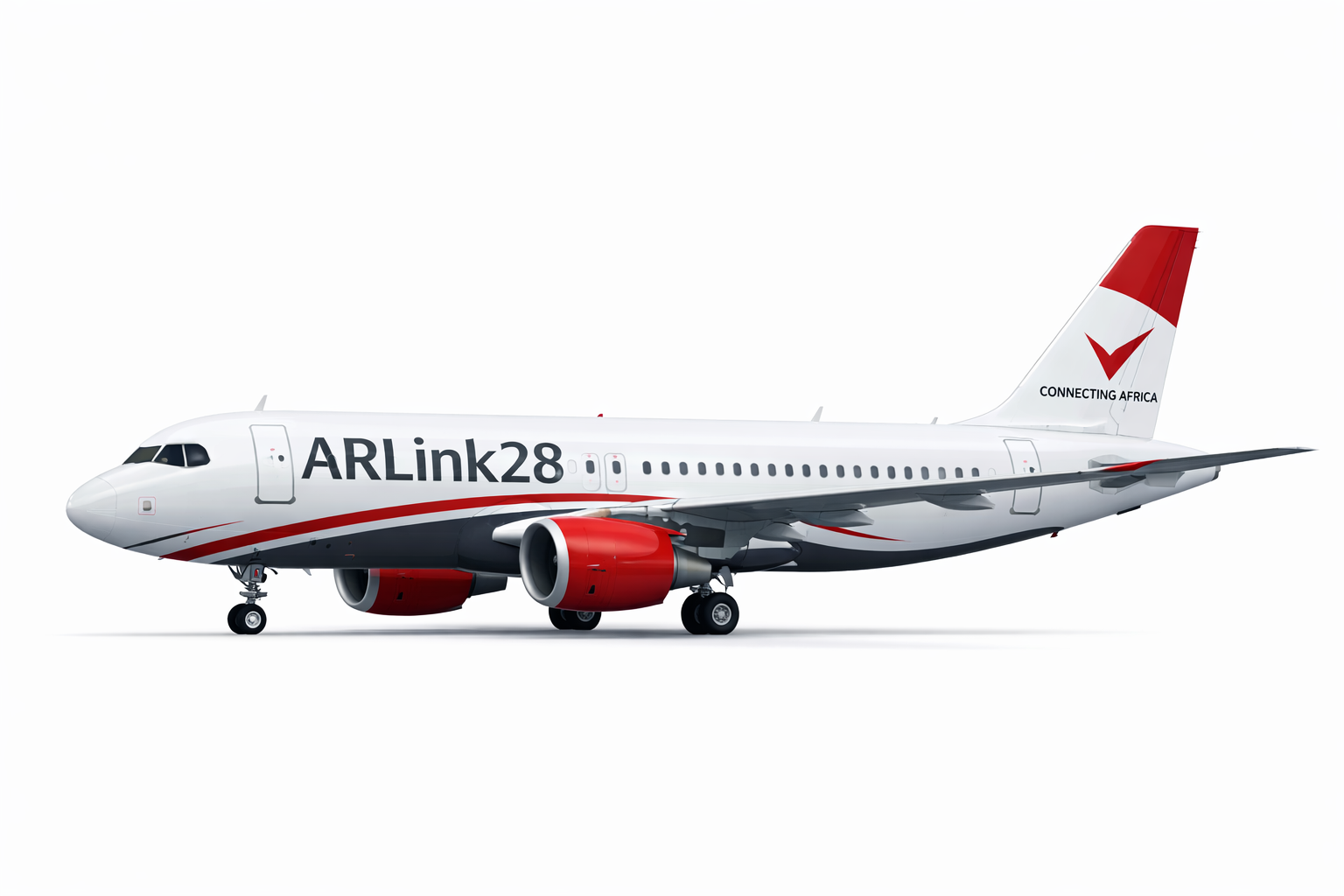
WE CONNECT
EVERY JOURNEY.
Flight tickets to domestic and international flights at cheap prices. Where do you want to go?
Book Flight
Expert
Partnerships
across Africa
Support
Your Journey Starts Here
Whether you're traveling for business, family visits, education, tourism, or special occasions, ARLink28 makes flight booking simple, affordable, and stress-free.
We help travelers find the right flights, save time, and enjoy a seamless booking experience from departure to arrival.
Find the Best Flight Deals
Compare routes and fares from trusted airlines to secure the best value for your trip.
Flexible Travel Options
Choose from one-way, round-trip, and multi-city bookings tailored to your travel needs.
Secure Payments
Book with confidence using safe and reliable payment options.
24/7 Travel Assistance
Our support team is ready to assist before, during, and after your journey.
Popular Destination
Connect immediately to major business centers and leisure gateways. Here are our top-rated flight routes.







Our Travel Services
Everything you need for a smooth and unforgettable journey
Hotel Reservation
Comfortable and hand-picked accommodations wherever your flight takes you.
Learn MoreHoliday Packages
All-inclusive travel packages curated for your perfect holiday experience.
Learn MoreFeatured Travel
 7 Days
Lagos to Ghana
Direct flights with premium amenities. Business and economy class available daily.
 5 Days
Abuja City Break
Explore Nigeria's capital with guided tours, luxury hotels, and cultural experiences.
 5 Days / 4 Nights
Zanzibar Escape
Unwind in Zanzibar's coastal paradise with Blue Ocean Resorts. Premium Sea View Room, Bed & Breakfast, & return transfers.
 3 Days / 2 Nights
Giraffe Manor Experience
Create timeless family memories surrounded by elegance, heritage and the gentle giants of Giraffe Manor Nairobi.

24x7 Customer Support
Our dedicated support team is available around the clock to assist you with flight bookings, itinerary changes, cancellations, and any travel-related queries. Whether it's 3 AM or 3 PM, we're just a call or message away.
Ready For Your
Next Adventure?
Search, compare, and book flights at the best rates. Affordable travel, trusted airlines.
Book Flight Tickets